
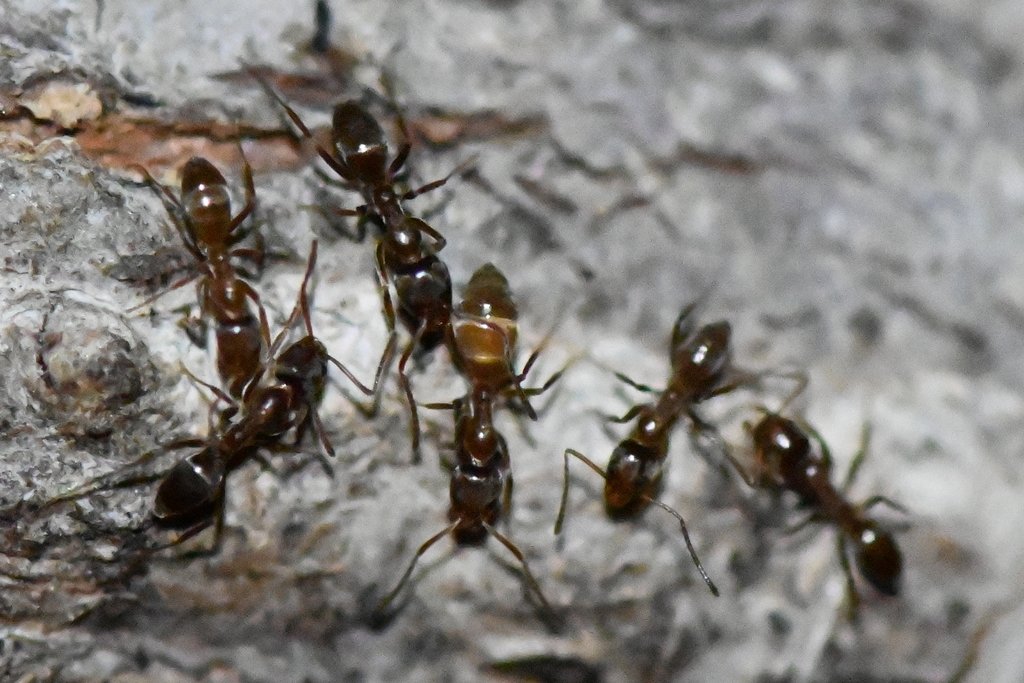
An ant infestation in Ventura County is one of the most common spring complaints we hear from homeowners across Oxnard, Camarillo, Thousand Oaks, Simi Valley, and beyond. If you’ve noticed a trail of ants marching across your kitchen counter, along your baseboards, or near your windows lately, you’re not alone. Every spring, ant infestations in Ventura County surge dramatically — and homeowners are left wondering: Why now? Why my house? And how do I make it stop?
In this guide, we’ll break down exactly why ant infestations happen in Ventura County every spring, which species are most likely to blame, and what you can do — both on your own and with professional help — to protect your home before the problem gets out of hand.
For more information on California ant species, the UC Agriculture & Natural Resources Pest Notes is an excellent trusted resource.
What Causes an Ant Infestation in Ventura County Every Spring?
Ants don’t invade your home randomly. They’re following a very predictable biological pattern — and spring is their season to explode in population.
1. Warmer Temperatures Wake Colonies Up
During cooler winter months, ant colonies slow down dramatically. Queens reduce egg-laying, workers stay close to the nest, and foraging activity drops. But as Ventura County temperatures climb into the 60s and 70s in April and May, colonies “wake up” and kick into overdrive. Queens begin laying thousands of eggs, populations swell, and worker ants are sent out to find food and water to support the growing colony.
2. Dry Conditions Drive Ant Infestations Indoors
Ventura County’s spring weather can be surprisingly dry, especially in years with low rainfall. When the soil dries out across areas like Moorpark, Santa Paula, and Fillmore, ants lose access to the moisture they need to survive. Your home — with its plumbing, humidity, and food sources — becomes an irresistible oasis. This is why you’ll often notice ant infestations clustering near sinks, dishwashers, pet water bowls, and leaky pipes.
3. Ant Queens Are Launching New Colonies
Spring is also swarming season. Winged reproductive ants (called “alates”) leave established colonies to mate and start new ones. If you’re seeing flying ants around your home anywhere in Ventura County, it may mean a colony is nearby — or even inside — your walls or foundation.
The Most Common Ant Infestations in Ventura County Homes
Not all ants are the same, and identifying the species you’re dealing with matters — because different ants require different treatment strategies.
Argentine Ants (Linepithema humile)
By far the most common ant infestation in Ventura County and throughout Southern California. These tiny brown ants form massive “supercolonies” that can stretch across entire neighborhoods in Oxnard, Camarillo, and Thousand Oaks. They don’t nest inside homes but will invade in long trails to forage for sweets and moisture. You’ll typically spot them in the kitchen and bathrooms.
Southern Fire Ants (Solenopsis xyloni)
Found in Ventura County’s drier, sunnier inland areas like Simi Valley and Moorpark. Fire ants are aggressive and will sting if their mound is disturbed. They’re most common in yards and gardens but can enter homes through cracks in the foundation.
Carpenter Ants (Camponotus spp.)
These large black or red ants don’t eat wood — they tunnel through it to build nests. If you’re seeing big ants near window frames, door jambs, or wood beams, take it seriously. Carpenter ant damage can be costly if left untreated, and they’re found throughout Ventura County — especially in older homes.
Odorous House Ants (Tapinoma sessile)
Named for the coconut-like smell they emit when crushed, these ants love sugary foods and are commonly found in kitchens across the county. They nest both outdoors and indoors, often inside wall voids.
Where Ant Infestations Enter Your Ventura County Home
Ants don’t need much of an opening. Common entry points include:
- Cracks in the foundation — especially common in older homes throughout Ventura County
- Gaps around plumbing pipes where they enter walls
- Worn weatherstripping under doors and around windows
- Utility lines and cable conduits that pass through exterior walls
- Tree branches and shrubs touching your roofline or exterior walls (these act as ant highways)
- Mulch and wood chips piled against your home’s foundation
DIY Steps to Stop an Ant Infestation in Ventura County
While a professional treatment is often the most effective solution for a full-blown ant infestation, there are several steps you can take immediately to reduce activity:
Eliminate Food Sources
- Store all food — including pet food — in airtight containers
- Wipe down counters, stovetops, and tables after every meal
- Empty trash cans regularly and keep lids secured
- Rinse recyclables before putting them in the bin
Remove Moisture
- Fix dripping faucets and leaky pipes promptly
- Don’t leave standing water in sinks or pet bowls overnight
- Use a dehumidifier in damp areas like garages and crawl spaces
Seal Entry Points
- Use caulk to seal cracks around windows, doors, and your foundation
- Replace worn weatherstripping
- Keep tree branches trimmed back from your roofline and exterior walls
Use Ant Bait (Not Spray)
This is important: spraying ants with repellent sprays often makes ant infestations worse. Repellent sprays kill forager ants on contact but scatter the colony, causing them to split into multiple sub-colonies — a process called “budding.” Ant bait, on the other hand, is carried back to the colony and fed to the queen, eventually collapsing the whole colony from the inside. Bait stations placed along ant trails are far more effective than sprays for long-term control.
When to Call a Professional About an Ant Infestation in Ventura County
DIY methods can help manage minor ant problems, but there are situations where professional treatment is the smarter — and more cost-effective — choice:
- You’ve tried bait and it hasn’t worked after 2–3 weeks
- You’re seeing ants in multiple rooms or throughout the home
- You’ve spotted carpenter ants — these can cause structural damage
- You’re finding ant trails but can’t locate the nest
- The ant infestation keeps coming back season after season
A licensed Ventura County pest control professional can identify the exact species, locate the nest (including hidden nests inside walls or under slabs), apply targeted treatments, and set up a prevention plan to keep ants from coming back.
How Professional Ant Infestation Treatment Works in Ventura County
When you call a pest control company serving Ventura County, here’s what a thorough ant treatment typically involves:
- Inspection — A technician will identify the species, locate trails, find likely entry points, and assess the extent of the ant infestation.
- Interior treatment — Targeted bait applications in areas where ants are active, placed out of reach of children and pets.
- Exterior perimeter treatment — A barrier treatment around the foundation of your home to stop ants before they get inside.
- Entry point sealing recommendations — Your technician will point out and recommend sealing any gaps or vulnerabilities they find.
- Follow-up visits — Many infestations require more than one treatment. A good pest control plan includes follow-up to make sure the colony has been eliminated.
Protecting Your Home Before Ant Infestations Take Over
The best time to treat for ants is before you have a full ant infestation. Spring prevention treatments — applied in April and May — create a protective barrier around your home right as ant populations begin to surge across Ventura County. Many homeowners in Oxnard, Camarillo, Thousand Oaks, and Simi Valley opt for quarterly pest control service to stay ahead of seasonal pest activity year-round.
Frequently Asked Questions About Ant Infestations in Ventura County
Q: Are ant infestations in Ventura County dangerous? Most ant infestations found in Ventura County homes are nuisance pests — they won’t hurt you but they contaminate food and are difficult to eliminate. Fire ants and carpenter ants are exceptions: fire ants sting and carpenter ants damage wood.
Q: Why do I keep getting an ant infestation every spring even after treatment? If you’re seeing ants return every year, it usually means the colony wasn’t fully eliminated, or new colonies from neighboring properties are moving in. A year-round pest control plan with perimeter treatments is the most reliable solution.
Q: Can I use natural remedies like vinegar or cinnamon to treat an ant infestation? These can deter ants temporarily by disrupting their scent trails, but they don’t eliminate colonies. They’re fine as a short-term deterrent but shouldn’t replace a real treatment strategy.
Q: How quickly can an ant infestation in Ventura County get out of control? Very quickly. A mature Argentine ant supercolony can contain millions of workers. Once they’ve established a foraging trail into your home, population growth accelerates. Early treatment is always easier and less expensive than waiting.
Don’t Wait — Spring Ant Infestation Season Is Here
Ant infestation activity across Ventura County typically peaks between April and July. The sooner you address the problem, the easier — and less expensive — it is to resolve. Whether you’re dealing with a small trail in the kitchen or a full-scale ant infestation in Oxnard, Camarillo, or Thousand Oaks, taking action now will save you a lot of frustration this summer.
If you’re dealing with an ant infestation in your Ventura County home, contact us today for a free inspection. Our local pest control team knows exactly which ants are active across the county this season and how to eliminate them fast — and keep them from coming back.
Proudly serving Ventura, Oxnard, Camarillo, Thousand Oaks, Simi Valley, Moorpark, Santa Paula, Fillmore, Ojai, and all of Ventura County.